Just outside of the city of Pakse and across the Lao-Nippon Bridge aka the 'Japanese bridge' is Phu Salao, the temple of the Golden Buddha. We took 35 students there (average age around 14) in October and then had to convince them to climb the stairs What started off as a tribute to Led... Continue Reading →
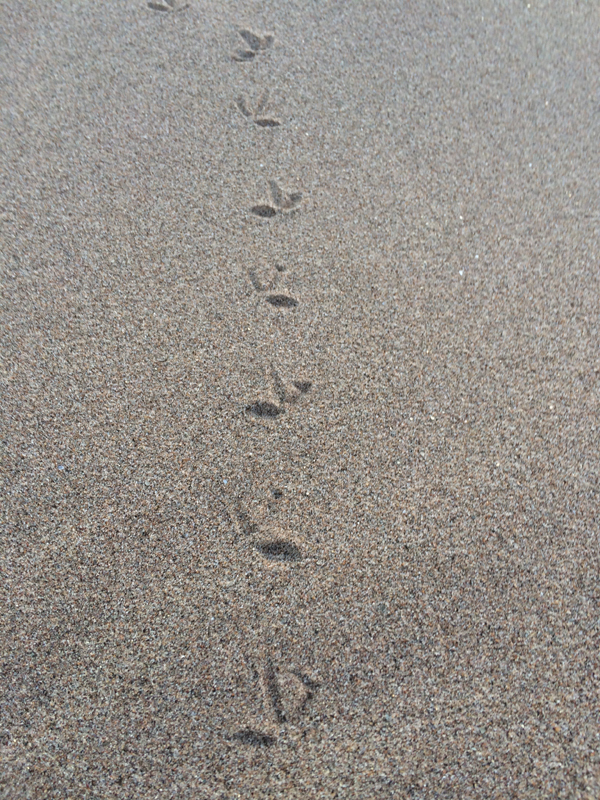
Sand in the Sunscreen
Life on the sand of Done Daeng Island.
Done Daeng Island
Done Daeng Island, known as the "Red Island", offers a tranquil environment and sandy beaches. There are approximately ten villages located on the island, bordered by the Mekong river on both sides. On the opposite shore is Mount Lingaparvata (now called Phu Kao) where lies the ancient temple of Wat Phou. Transport to the island... Continue Reading →
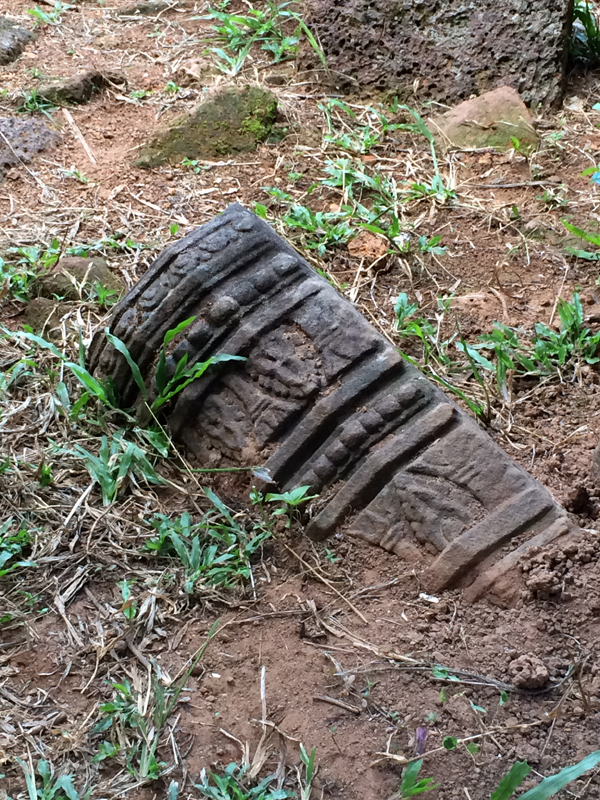
Wat Phou Part Two
The structures within Wat Phou are built on seven terraces and, as is typical of most Khmer temples, it was constructed facing towards the east. The uppermost terrace contains the main sanctuary and offers fantastic views over the surrounding area. Sitting up here at sunset is an incredibly peaceful experience, however do not try to... Continue Reading →
Wat Phou Part One
The Wat Phou is a ruined Khmer Hindu temple that forms part of the Champasak Cultural Landscape, which is a well preserved landscape more than a 1,000 years old. According to UNESCO's website, "It was shaped to express the Hindu vision of the relationship between nature and humanity, using an axis from mountain top to... Continue Reading →
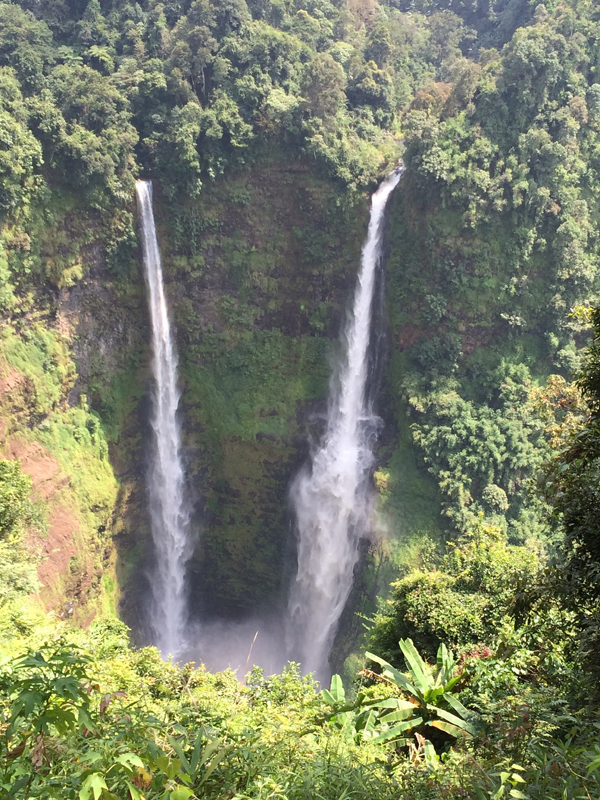
Chasing Waterfalls
Here is a collection of waterfall images taken from various parts of Champasak province in southern Laos. The featured image is Tad Fane twin waterfall from the Bolaven Plateau. It is the highest waterfall in Laos with a drop of over one hundred metres and is located only a few kilomteres from Paksong town. The... Continue Reading →
Ciao Phraya
Here is a collection of photos from Thailand that didn't quite make the other blog posts. Daytime Nighttime Kwai Wat Pho
Death Railway
Perhaps one of the most poignant parts of our trip to Thailand was a visit to the Kanchanaburi War Cemetery and Museum on the way to the Bridge on the River Kwai. When the decision was made by Japanese authorities to build the Thai / Burma railway their engineers estimated that it would take approximately... Continue Reading →
Bridge on the River Kwai
The plan to build a railway linking Thailand to Burma was first considered by the British in the late nineteenth century. Surveys were conducted in 1885 and 1905 but the project was shelved due to the fact that it was not economically viable. In June 1942 the US naval fleet inflicted a decisive blow against... Continue Reading →